Hunyuan Video
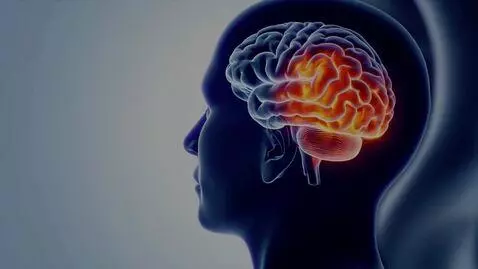
Create a highly realistic, cinematic, scientifically accurate educational video about the human brain and the mind, inspired by the visual style of the reference video. Show a realistic 3D human head in side profile with a detailed human brain visible inside. Use smooth cinematic camera movements, dramatic lighting, and realistic neural activity. The video should not be purely visual. It must provide accurate and interesting scientific information about how the brain works, how we think, remember, learn, feel emotions, and make decisions. Voice-over narration: "Did you know that the organ responsible for your thoughts, memories, emotions, and decisions is constantly working, even when you are asleep? The human brain is one of the most complex structures in the known universe. It contains billions of neurons that constantly communicate through electrical and chemical signals. Every thought you have, every memory you create, and every movement you make depends on complex networks of neurons communicating with one another. Different areas of the brain perform different functions. The cerebral cortex plays an important role in thinking, perception, language, decision-making, and voluntary movement. Other regions are involved in memory, emotions, movement, and controlling essential body functions. But one of the most fascinating abilities of the brain is its ability to change. This ability is known as neuroplasticity. When you learn something new or repeatedly practice a skill, the connections between neurons can change and become stronger. In other words, your experiences can physically influence the way your brain's neural networks function. And even while you sleep, your brain remains active. Sleep is important for processes related to memory, learning, and the restoration of the body and brain. Your brain is not simply a machine that stores information. It is a constantly changing biological network that allows you to understand the world, remember the past, experience emotions, and imagine the future. The most fascinating part? Every second, billions of neural signals are helping create the experience you call... your mind." Visual direction: Show neurons communicating through realistic electrical and chemical signals. When discussing memory, show neural networks activating and connecting. When discussing learning and neuroplasticity, visualize neural connections becoming stronger and new connections forming. When discussing emotions, transition toward relevant brain regions while maintaining scientific realism. When discussing sleep, show the brain remaining active while the body is resting. Use realistic medical 3D visualization, anatomically plausible brain structures, detailed neural networks, subtle glowing neural signals, volumetric lighting, cinematic depth of field, dark atmospheric background, blue and warm orange lighting accents, smooth camera movements, realistic textures, and high-end documentary cinematography. Avoid fantasy-style brains, exaggerated effects, anatomically incorrect structures, random text, or unrealistic sci-fi elements. Format: vertical 9:16 Quality: ultra-realistic 4K Style: premium scientific documentary Mood: mysterious, intelligent, fascinating, cinematic Voice: deep, calm, authoritative English documentary voice Pacing: engaging and slightly suspenseful, with smooth transitions and visual synchronization between the narration and brain activity.