Kling 1.6 (pro)
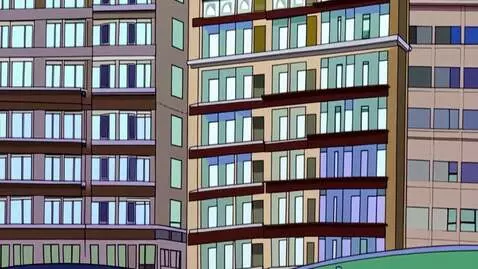
The Neighbor Who Never Sleeps (Cartoon Horror) The building looked like it was drawn by someone who had never seen a real city. Too tall. Too straight. Windows perfectly square, stacked like teeth in a smile that never changed. At night, the colors faded into dull blues and sickly yellows, as if the world itself lowered its brightness. Every night at exactly 11:11 p.m., the lights in my apartment turned off automatically. And every night, at the same moment, the light in the window across from mine turned on. That window belonged to my neighbor. I had never seen them during the day. Not in the hallway. Not by the mailboxes. Not even as a reflection in the glass doors downstairs. But their window was always there—glowing, patient, watching. In the cartoon world I lived in, things moved with soft bounces and smooth loops. The clock hands snapped into place instead of sliding. Shadows stretched too far and then snapped back. And the neighbor’s window never blinked. One night, I waved at it. Just a silly little test. My arm bent in that exaggerated cartoon way, elbow popping slightly out of place before snapping back. I laughed quietly at myself. The window waved back. Not like a human would. The arm that rose into view bent the wrong way, joints clicking into place a second too late. The movement was delayed, like bad animation. Like someone copying me frame by frame. I stopped waving. The arm stayed raised. The next night, the neighbor’s window was closer. It shouldn’t have been possible. The building across the street hadn’t moved. But the window was bigger now, closer, its yellow glow leaking into my room like spilled paint. I could see inside. The neighbor’s apartment was empty. No furniture. No shadows. Just flat walls, the same color as the sky when it glitches. Then a face slid into frame. It looked unfinished. Eyes too large. Smile drawn too wide. The mouth didn’t open—it stretched. The eyes didn’t blink—they swapped frames. The face stared straight at me. I turned off my light. The neighbor’s light stayed on. The next night, my window was glowing too. I didn’t turn it on. The light came from behind me. Slowly, I saw my reflection in the glass. But it wasn’t copying me. It was ahead of me. Smiling before I smiled. Raising its hand before I moved. Across the street, the neighbor’s window went dark. Behind me, something softly snapped into place—like the final frame of an animation. And then the world looped.