Home
Discover
Premiums
Generate AI Video
Contest
Upload
Profile
Prefs
Theme
Top Accounts
Top Videos
English
About
Feedback
Support
T&C
Privacy
DMCA
© 2026 HUGE.com
Filters
Sign Up
Log In
AI Video Generator
Browse AI Generated Videos
Videos
all
by ai model
AI Models
Wan 2.5 Preview:
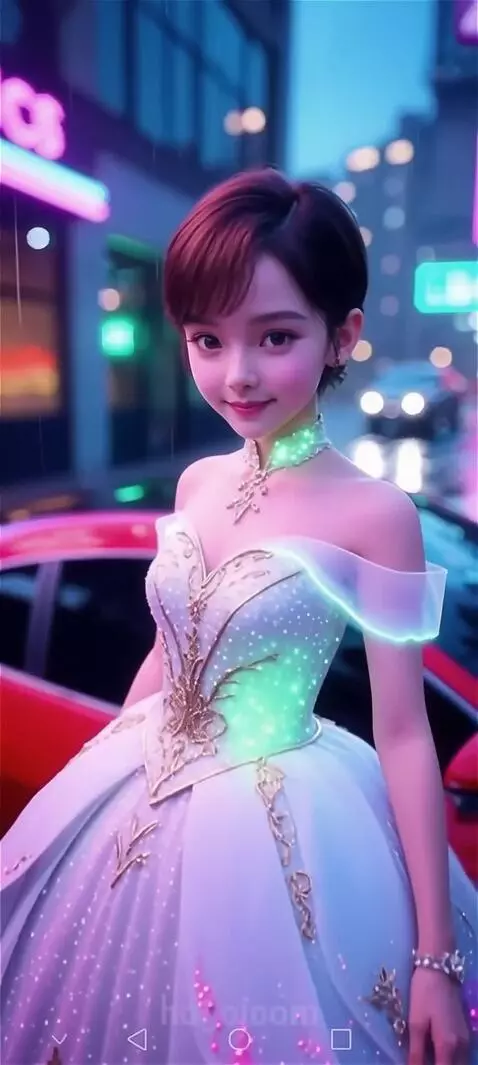
Style: 2099 year. Cyberpunk cinematic short film, ultra-detailed, photorealistic, realistic lighting and materials, volumetric light and shadow, soft depth of field, HDR, 8K quality. Color palette: deep cyan, magenta, violet and cold neon tones with soft ambient haze. Atmosphere: moody, reflective, slightly melancholic but filled with inner strength. Textures: wet asphalt, glass reflections, flickering holograms, metallic surfaces, neon bokeh. Camera setup: Anamorphic lens, cinematic framing, shallow focus, low-angle or mid-shot depending on emotion, realistic motion blur, light flares and particle effects. Optional drone sweeps or slow panning for environmental shots. Lighting: Mixed neon and ambient backlight with secondary reflections. Use red or purple accent lights for emotional tension, blue or teal for calm introspection. Scene: Virtual reality in 2099, cyberpunk world. Start from the provided image: the young girl (teen, 14-16, focused expression, real-life photorealistic face like in a movie). She takes off and quickly flies over the city
Kling 2.5 Turbo (pro):
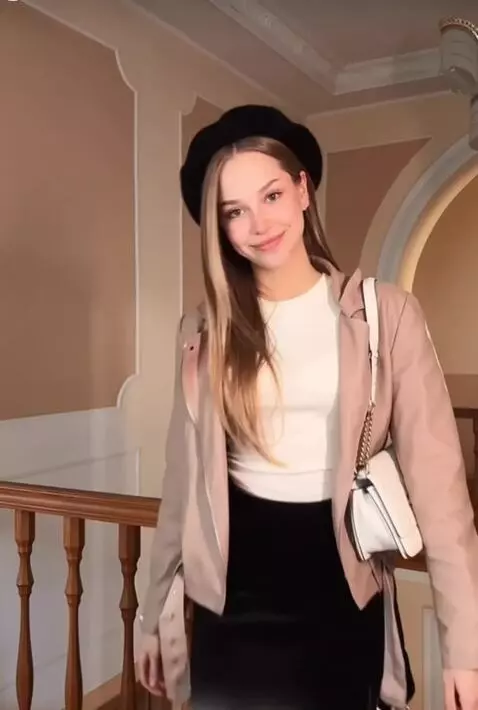
The girl slowly approaches the camera, smiles tenderly, and kisses the camera with her lips
Kling 2.5 Turbo (pro):
The girl slowly approaches the camera, smiles tenderly, and kisses the camera with her lips
Kling 2.5 Turbo (pro):
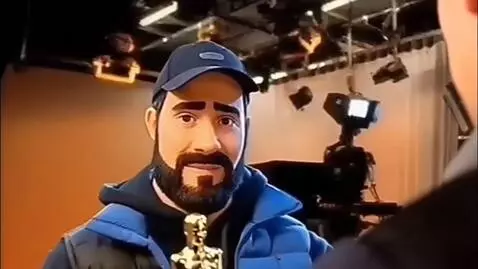
Handing out an Oscar statuette
Hunyuan Video I2V:
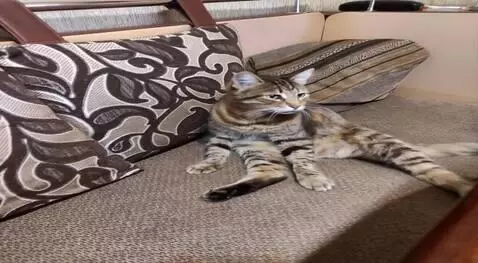
Кот встаёт и танцует лезгинку
Kling 1.0 (standard):
sucking a banana
Kling 2.1 (pro):
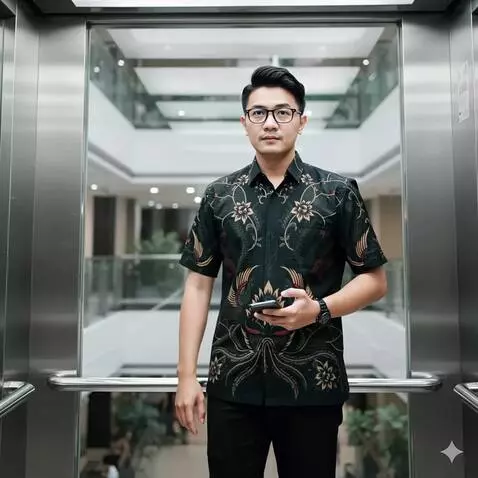
Pria ini bergaya seperti model. Maju sambil main handphone. Dan mata melihat ke kamera
Wan 2.5 Preview:
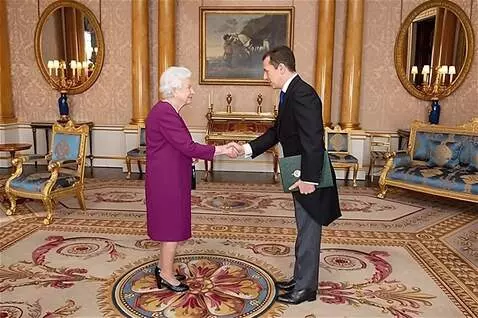
Елизавета вручает верительные грамоты послу Рустамову Саиду
Kling 2.1 (pro):
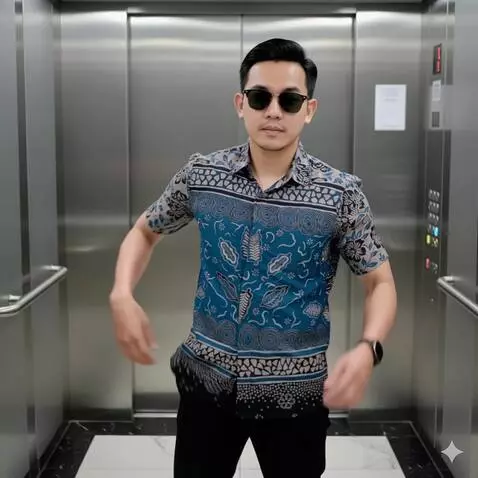
Pria ini bergaya seperti model. Mundur sedikit. Tangan sambil memegang rambut.
Wan 2.5 Preview:
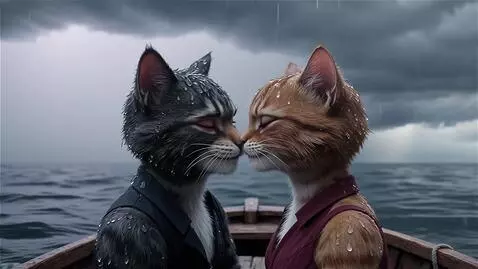
Prompt (EN): Action (8s): As storm clouds gather, cat-man leans in to kiss cat-woman on the boat. A thunderclap startles them, and he bumps his head into hers. She says in Russian: «Романтика с ударом». He replies in Russian: «Искры есть». Camera: Dramatic close-up of faces moving together → sudden wide with thunder flash → close on bump reaction. Light: Dark storm clouds, sudden lightning flash. Sound: Rolling thunder, bump thud, Russian dialogue. Aesthetic: Stormy comedy with a hint of romance. Visual accents: Raindrops on fur, boat rocking harder, their whiskers tangled.
Luma Dream Machine Ray2:
Дуров показывает как купитьTelegram stars через mini app
Hunyuan Video:
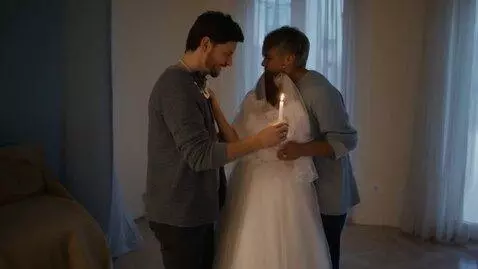
Погасли свечи, и ночь в окно твоё войдёт, В тот лунный вечер ты знаешь, что она придет Промчались годы бездумья, радости, и вот Погасли свечи, теперь пришёл и твой черёд Холодным взглядом глядит она в твои глаза, Она здесь рядом, а ты лежишь и ждешь, дрожа Неслышным шагом она тихонько подойдёт, Ничто на свете тебя от смерти не спасёт Всегда приходишь ты одна, и ты всегда во всём права Ты сможешь страшный лик узреть, когда к тебе приходит смерть На тёмном небе сияет яркая луна, И тёплый ветер, как жизнь прекрасна всё ж была Жизнь пролетела, среди веселья кабаков Всё улетело, остался страх кошмарных снов Встрепящит сердце, ведь ожиданья страшен миг Всё вдруг померкнет, ты слышишь, тишина молчит Ты леденея, увидишь смерть и злой оскал И тихий шёпот ты душу дьяволу продал Всегда приходишь ты одна, и ты всегда во всём права Ты сможешь страшный лик узреть, когда к тебе приходит смерть Часы пробили, и кончен жизненный отчет И ты в могиле, а душу дьявол унесёт И страшным вихрем среди небес её умчит, И долго-долго старуха-смерть вам в след глядит Погасли свечи, и ночь в окно твоё войдёт, В тот лунный вечер ты знаешь, что она придет Промчались годы бездумья радости, и вот Погасли свечи, теперь пришёл и твой черёд Всегда приходишь ты одна, и ты всегда во всём права Ты сможешь страшный лик узреть, когда к тебе приходит смерть Погасли свечи...
Hunyuan Video:
Make a cartoon style man move in gym
Wan 2.5 Preview:
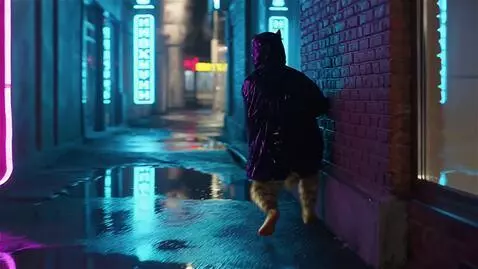
Action (8s): A rainy night in a narrow neon-lit alley. A realistic cat-human in a black hooded jacket runs along the wet pavement, neon signs reflecting in puddles. Footsteps of a pursuer echo behind him. The cat turns, looks straight at the sound and says in Russian speech language Russian: «Ты выбрал не ту цель». He plants his foot on the damp brick, pushes off the wall and vanishes into shadow. Camera: Handheld, low-angle tracking shot that follows the cat from behind, with quick rack focus to the pursuer's reflected silhouette in a puddle, then a swift vertical pan during the wall push and a fast cut to black as he disappears. Lighting: Cold blue and deep magenta neon key lights, high-contrast backlight from a vertical sign to create a sharp silhouette during the jump. Strong wet-surface specular highlights on pavement. Sound: Close wet footsteps, echoing distant steps, rain hitting metal, a short metallic scrape at the wall push. Dialogue line must be lip-synced in Russian. (Speech language: Russian) Aesthetic: Neo-noir, shallow depth of field during close tracking, subdued color grading favoring cyan and magenta, cinematic grain, wet reflective textures. Visual accents: Neon glint in the cat eyes, steam from a grate, tiny claw marks on the brick where he pushed off.
Hunyuan Video I2V:
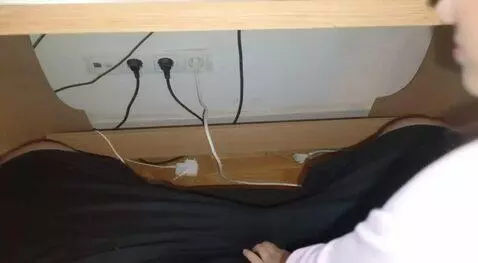
Красивая молодая девушка с выраженной фигурой залезла под стол
«
1455
1456
1457
1458
1459
»
You need to enable JavaScript.