Home
Discover
Premiums
Generate AI Video
Contest
Upload
Profile
Prefs
Theme
Top Accounts
Top Videos
English
About
Feedback
Support
T&C
Privacy
DMCA
© 2026 HUGE.com
Filters
Sign Up
Log In
AI Video Generator
Browse AI Generated Videos
Videos
all
by ai model
AI Models
Sora 2:
Generate Netflix mitchells vs machines 2 trailer
Wan 2.5 Preview:
the wind blows on the roses
LTX Video-0.9.5:
trotro crying
Wan 2.5 Preview:
the wind blows on the roses
Sora 2:
The character siting on chair at laptop when said: "Let's download vegas pro 14.0 and be cool!" but laptop catched virus but Max Barker said: "WHAT?!" before laptop exploded
Sora 2:
The character siting on chair at laptop when said: "Let's download Ermolin 7 and be cool!" but laptop catched virus but Max Barker said: "WHAT?!" before laptop exploded
Sora 2:
Pt Jiung film jakarta airplane tvc
Sora 2:
A boy18 year old boy waking on the road with girl wear red t shirt and black paint and girl wear blue jeans and white top
Kling 2.5 Turbo (pro):
This person is a 210 cm tall heavy muscular female swimmer that plays romantically with her hair and shows proudly her extremely long, extremely thick and massively sculpted biceps.
Sora 2:
Shantketan films airplane tvc
Sora 2:
Octonaughty Chips Commercial: Numberblocks 8 Will Try. (VHS) (TV Style) (Sponsored by Fifa World Cup 2026)
Sora 2:
a scene depicting talking two bugs with british accents. the red one says "where is my tea?". the yellow one says "alright, i'll make it for you" and prepares tea for the red one. the red one drinks the tea. after that he says "why is my tea slightly hot?". the yellow one says "i accidentally put hot water instead of cold"
Sora 2:
Four star productions hotel advert
Sora 2:
20th century edm logo edm remix sound
Kling 2.5 Turbo (pro):
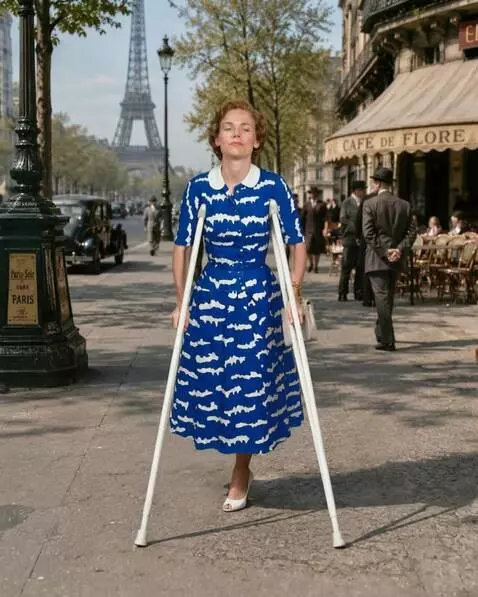
A woman with the right leg amputated up to the upper third of the thigh turns to the camera and walks slowly toward the camera on her single left leg and crutches. As she moves, she simultaneously shifts two her crutches forward slightly, placing them close to her sides rather than wide apart, simultaneously leans on crutches handles, and then takes a step with her single left leg. The camera continuously pulls back, showing the woman in full length preserving her perfect left leg. Do not attach a right leg to her or imagine that the rightleg exists. It was amputated long ago.
«
112
113
114
115
116
»
You need to enable JavaScript.