Home
Discover
Premiums
Generate AI Video
Contest
Upload
Profile
Prefs
Theme
Top Accounts
Top Videos
English
About
Feedback
Support
T&C
Privacy
DMCA
© 2026 HUGE.com
Filters
Sign Up
Log In
AI Video Generator
Browse AI Generated Videos
Videos
all
by ai model
AI Models
Sora 2:
Wallopoid Television Ident (The Mascot is the Image)
Kling 2.5 Turbo (pro):
Static camera, ambient loop. Two bats fly slowly past a glowing full moon in a dark gothic stone archway. Small spiders crawl slowly along webs in the upper corners. Thin mist drifts low across the stone floor. Red neon lighting on the ornate cabinet at the bottom left pulses gently on and off. Soft clouds drift slowly across the moon. A crowd of silhouetted figures at the bottom raise their arms and sway gently. Faint embers drift upward through the air. Dragon figure and text remain still.
Sora 2:
Cinematic anime-style monster battle in a rocky battlefield at sunset. The armored Aggron stands heavily damaged but determined, facing a massive Tyranitar across the battlefield. Tyranitar suddenly charges forward with tremendous force. The Aggron braces itself and absorbs the impact, its enormous metal body sliding backward across the ground while rocks and dust explode around its feet. The Aggron slowly raises its head and roars. The Aggron charges back with incredible weight and power, camera tracking alongside it. It slams into Tyranitar with a devastating Iron Head attack, creating a huge shockwave and sending both Pokémon skidding apart. Tyranitar rises and unleashes a powerful final attack. The Aggron plants its feet firmly into the ground and withstands the attack, surrounded by swirling dust and debris. The battlefield becomes silent as the dust clears. The Aggron is still standing. Close-up on the Aggron's damaged metal face. Its eyes glow with determination. The Aggron lowers its head, charges forward at full speed, and delivers one final devastating Iron Head. Dramatic camera shake, massive impact, flying rocks, cinematic lighting, dynamic anime battle choreography, fluid character motion, powerful sense of weight and scale.
PixVerse v5:
🎬 Prompt for Bastion vs. Tyranitar I'd start with a single 5–10 second scene, rather than asking it to make the entire fight at once: Cinematic anime monster battle, 16:9. A heavily armored steel dinosaur Pokémon-like creature named Bastion, an Aggron, stands in a rocky battlefield facing a massive Tyranitar. Bastion has extremely thick metallic armor and an imposing, heavy build. Tyranitar charges at full speed and strikes Bastion with enormous physical force. The impact creates a shockwave and sends rocks flying, but Bastion barely moves. Bastion slowly raises its head, completely unfazed. Dramatic camera shake, dust and debris, dynamic anime battle choreography, powerful sense of weight, detailed metallic armor, intense cinematic lighting, fluid animation. Then make the next clip from the ending frame: Bastion suddenly charges forward with tremendous weight and speed. Tyranitar braces itself. Bastion lowers its armored head and performs a devastating Iron Head attack. The collision creates a massive shockwave, rocks explode outward, and both Pokémon are briefly obscured by dust. Dynamic tracking camera, dramatic anime battle animation, powerful impact, cinematic lighting. And for the final shot: The dust slowly clears. Tyranitar is lying defeated on the battlefield. Bastion is still standing despite heavy damage, smoke rising from its metallic armor. Bastion slowly lifts its head and roars victoriously. Camera slowly pushes toward Bastion's face, dramatic sunset behind it, epic anime ending.
Hunyuan Video:
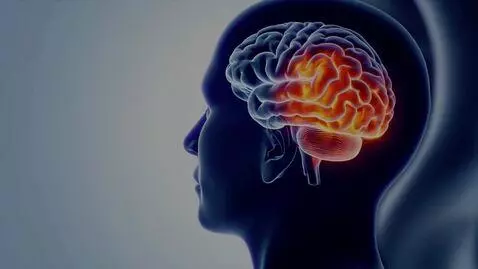
Create a highly realistic, cinematic, scientifically accurate educational video about the human brain and the mind, inspired by the visual style of the reference video. Show a realistic 3D human head in side profile with a detailed human brain visible inside. Use smooth cinematic camera movements, dramatic lighting, and realistic neural activity. The video should not be purely visual. It must provide accurate and interesting scientific information about how the brain works, how we think, remember, learn, feel emotions, and make decisions. Voice-over narration: "Did you know that the organ responsible for your thoughts, memories, emotions, and decisions is constantly working, even when you are asleep? The human brain is one of the most complex structures in the known universe. It contains billions of neurons that constantly communicate through electrical and chemical signals. Every thought you have, every memory you create, and every movement you make depends on complex networks of neurons communicating with one another. Different areas of the brain perform different functions. The cerebral cortex plays an important role in thinking, perception, language, decision-making, and voluntary movement. Other regions are involved in memory, emotions, movement, and controlling essential body functions. But one of the most fascinating abilities of the brain is its ability to change. This ability is known as neuroplasticity. When you learn something new or repeatedly practice a skill, the connections between neurons can change and become stronger. In other words, your experiences can physically influence the way your brain's neural networks function. And even while you sleep, your brain remains active. Sleep is important for processes related to memory, learning, and the restoration of the body and brain. Your brain is not simply a machine that stores information. It is a constantly changing biological network that allows you to understand the world, remember the past, experience emotions, and imagine the future. The most fascinating part? Every second, billions of neural signals are helping create the experience you call... your mind." Visual direction: Show neurons communicating through realistic electrical and chemical signals. When discussing memory, show neural networks activating and connecting. When discussing learning and neuroplasticity, visualize neural connections becoming stronger and new connections forming. When discussing emotions, transition toward relevant brain regions while maintaining scientific realism. When discussing sleep, show the brain remaining active while the body is resting. Use realistic medical 3D visualization, anatomically plausible brain structures, detailed neural networks, subtle glowing neural signals, volumetric lighting, cinematic depth of field, dark atmospheric background, blue and warm orange lighting accents, smooth camera movements, realistic textures, and high-end documentary cinematography. Avoid fantasy-style brains, exaggerated effects, anatomically incorrect structures, random text, or unrealistic sci-fi elements. Format: vertical 9:16 Quality: ultra-realistic 4K Style: premium scientific documentary Mood: mysterious, intelligent, fascinating, cinematic Voice: deep, calm, authoritative English documentary voice Pacing: engaging and slightly suspenseful, with smooth transitions and visual synchronization between the narration and brain activity.
Kling 2.5 Turbo (pro):
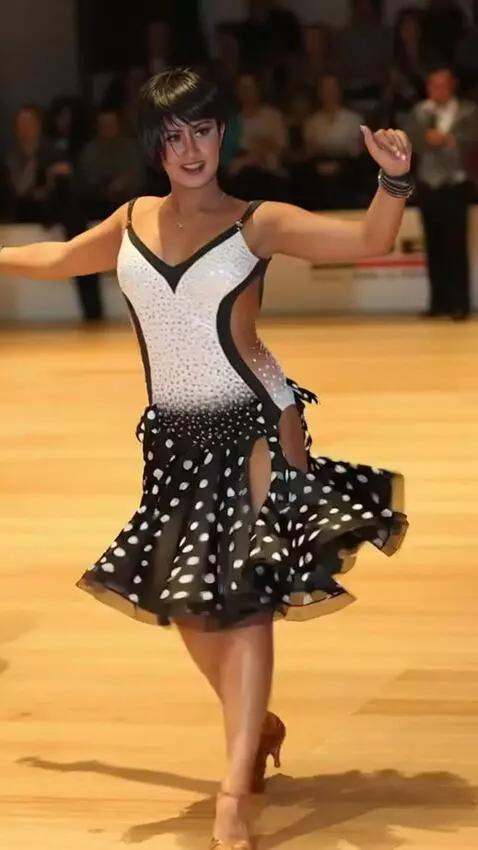
The woman is dancing the jive on caporales and doing a pirouette.
Sora 2:
Sandra is on stage in an ultra‑short dress, performing a song and moving to the music.
Sora 2:
A girl is sitting in an office and a young guy enters the office
Sora 2:
he is a super hero
Sora 2:
The girl is dancing the rumba, performing a Cuban movement, her hips turn, her back faces the camera, which zooms in.
Seedance 1.5 Pro:
Turn arouns slowly, then pose model
Kling 2.5 Turbo (pro):
Turn around, then walk into the front
Sora 2:
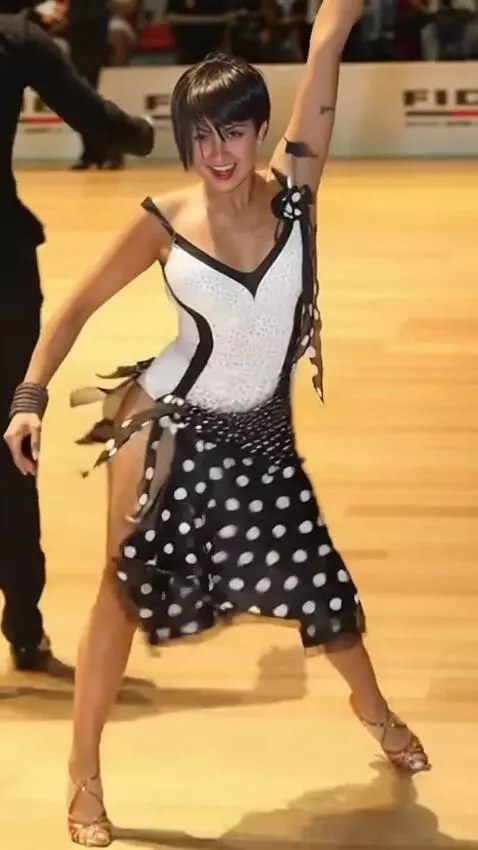
The girl is dancing the jive, performing a Cuban hip movement, and turns her back.
Sora 2:
The girl is dancing caporales and doing a pirouette.
Kling 2.5 Turbo (pro):
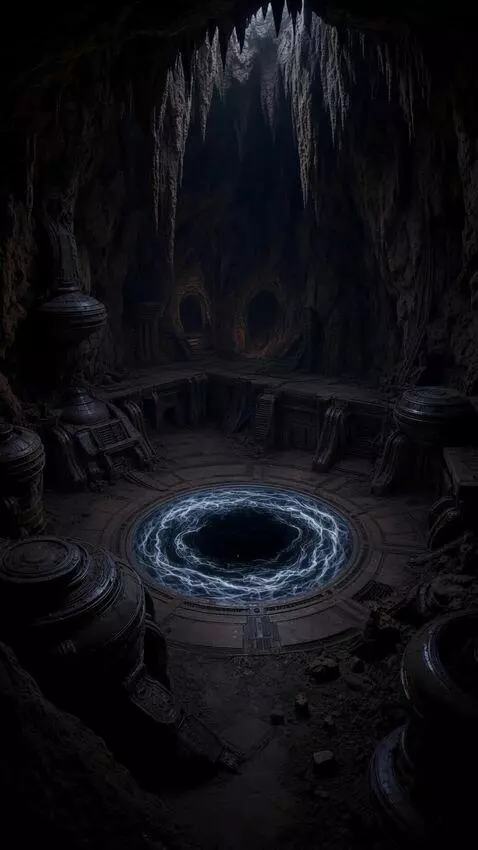
An abandoned alien outpost in a cavern deep in a cave system. The buildings are futuristic and well preserved despite being 1000 years old. Cinematic wide shot
«
133
134
135
136
137
»
You need to enable JavaScript.