Home
Discover
Premiums
Generate AI Video
Contest
Upload
Profile
Prefs
Theme
Top Accounts
Top Videos
English
About
Feedback
Support
T&C
Privacy
DMCA
© 2026 HUGE.com
Filters
Sign Up
Log In
AI Video Generator
Browse AI Generated Videos
Videos
all
by ai model
AI Models
Kling 2.5 Turbo (pro):
She caresses her nipples with her hand.
Sora 2:
an extremely eplectic and ultra mega chaotic ytp-styled edited swedish language commercial about a product named "Super Sour Splaat Snacks" featuring a talking cardboard-looking face with realistic eyes and a realistic mouth with white teeth wearing sunglasses and a chain rapping about the product, hip hop style in a colorful background. the product on the right is a still image with no animation. the visuals are super duper mega chaotic and flashy and ultra hyper fast-paced
Sora 2:
an extremely eplectic and ultra mega chaotic ytp-styled edited slovenian language commercial about a product named "Super Sour Splaat Snacks" featuring a talking cardboard-looking face with realistic eyes and a realistic mouth with white teeth wearing sunglasses and a chain rapping about the product, hip hop style in a colorful background. the product on the right is a still image with no animation. the visuals are super duper mega chaotic and flashy and ultra hyper fast-paced
PixVerse v5:
vitas shushing
LTX-2 Pro:
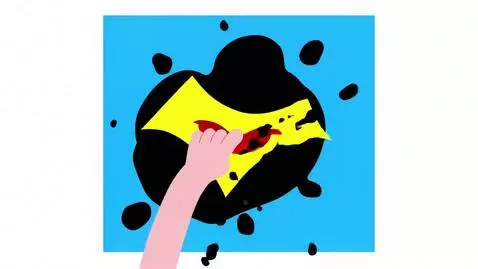
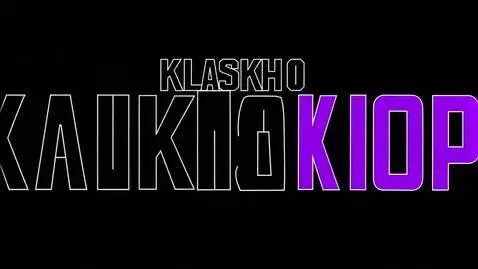
The Video Starts With a Blue Screen With a Black Ink Splatter. Then, a Hand Puts A Yellow Paper With 2D Cartoon Red Lips. After, Appears a Yellow Paper With 2D Cartoon Eyes. Fourth: The Mouth Says "Klasky Chupo". Fifth: Appears a White "Klasky Csupo" Text With Purple Y. Sixth: The Black Ink Splatter Disappears, The Yellow Paper...more
Kling 2.5 Turbo (pro):
the persons hug the dog
Kling 1.6 (pro):
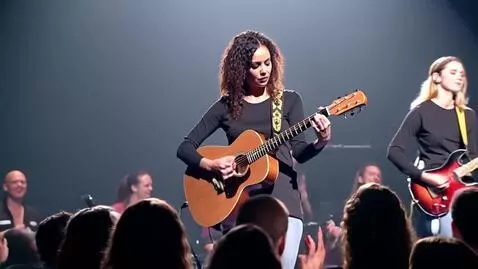
There is a concert going on, a Slavic-looking woman from a rock band is playing the guitar. close-up of guitar and hands. cinematic style
Wan 2.5 Preview:
There's a concert going on, and a woman from a rock band is playing guitar. close-up of guitar and hands. cinematic style
Sora 2:
Reading people was a gift some people just had, the friend who always knew when someone was lying, the coworker who could sense tension in a room before anyone said a word. So I thought, I wanted that. I picked this book up expecting a shortcut to becoming one of those people. What I got was more useful than a shortcut, but also messier than the title promises. Here's what the book actually is, stripped of the marketing: a psychotherapist's attempt to turn "reading people" into a repeatable system instead of a gut feeling. No claims about hairstyles revealing someone's soul, no vague talk of body language clichés like crossed arms meaning defensiveness. Instead, Lieberman organizes the whole thing around seven basic questions you might actually ask about a real person in a real moment is this person hiding something, is she interested or just being polite, is he confident or performing confidence, whose side is he really on. Each chapter hands you a specific conversational move or observation to test the answer, often things you can use in the next five minutes of your actual life. The strongest parts of the book are almost embarrassingly simple once you see them. There's a bit about posture that stuck with me longer than I expected: someone leaning in, mirroring your gestures, asking real questions is present with you. Someone leaning back, checking their phone, giving clipped answers has already left the conversation even if their body is still in the room. I started noticing this constantly, in meetings, on dates, at dinner with people I thought I already understood perfectly. It's not mind reading. It's just paying attention to what most of us are trained to politely ignore. Where the book gets shakier is exactly where it gets more ambitious. There's a whole section on figuring out whether someone is right or left brain dominant by watching which direction their eyes move when they think, and using that to gauge honesty. I tried it. It did not hold up in my kitchen the way it apparently holds up in the book's examples. This is the part where I have to be honest instead of just enthusiastic: some of these techniques lean on psychological research that's aged badly or gets stretched further than the original studies actually support. Discomfort doesn't always mean guilt. Sometimes it just means someone is anxious, tired, or culturally wired to avoid eye contact, and the book doesn't always leave room for that nuance. And there's a tone problem worth naming plainly. A system built around detecting when people are lying to you, sizing up their self-esteem, and profiling their loyalty can tip, fast, from healthy self-protection into treating every conversation like an interrogation. I noticed myself doing this after a few days with the book running a checklist on my own sister instead of just talking to her. That's not the book's fault exactly, but it's a real risk built into the premise, and I wish it had been addressed more directly instead of just promised away. So here's my honest verdict: treat this less like a mind-reading manual and more like a permission slip to actually watch and listen to people instead of waiting for your turn to talk. The technique matters less than the attention it forces you to pay. Lessons worth actually taking with you: 1. Attention is the whole trick, not the technique. Most of what looks like "reading someone" is just noticing things you were already capable of noticing, but usually don't, because you're busy thinking about what you'll say next. 2. Interest shows up in the body before it shows up in words. Leaning in, mirroring, asking real follow-up questions, these are honest signals that are much harder to fake convincingly than a sentence is. 3. Discomfort is a clue, not a verdict. The book sometimes treats nervousness as proof of dishonesty. Real life is messier. Before deciding someone's lying, ask what else could explain the reaction, stress, culture, social anxiety, a bad day. 4. A system gives you a hypothesis, create vedipo in urdu language with my photo
Sora 2:
A shot of a moving carriage horse lifting and raising its tail to inadvertently fart on the passengers sitting behind it and causing them to react to it while facing the horse's rear, with various shots including a close up and a side view shot as the horse also lets out a second fart, with a shot of its rear, including showing the horse's face and the passengers' reaction as they get engulfed in the slightly transparent greenish brown cloud.
Sora 2:
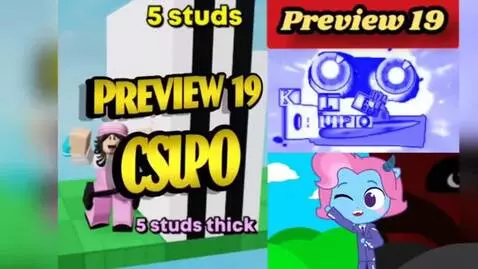
They all yell "WE'RE BACK!!!! PREVIEW 19 CSUPO" and them the "preview 19 csupo" text appears and then everything turns blue except the "preview 19 csupo" text and the text makes random noises
Sora 2:
ve Preview 2 Effects Original orderG-Major 4CoNfUsIoNG-Major 4 + CoNfUsIoNDevil's BlastChordedG-MajorCryingVocoded with Intel InsideDiamondG-Major 2Invert ColorRGB to BGRRGB to BGR ReversedCoNfUsIoN ReversedInverted, Black and White, Reversed, High PitchedSpongePitch BlackCrazy DiamondExtended orderAsleep EffectSeba Zuziam's GroupClearerHelium4ormulator V1Full ChordPitch WhiteLol EffectConga BusherU-MajorNot sure what I did to XLow VoiceSlow VoiceLuig GroupI KILLED XLost EffectHorhrhyrg8976BaaaaaaaHitting EffectFKFJGRH170499Sad EffectHappy EffectG-Major 5Angry EffectEven X DiscontinuesI Sused XDeaf EffectDeaf MajorBlind MajorBlind EffectDoes RespondG-Major 16Oppo Oppo EffectBanjo VocoderPhatPrutzG-Major 1Freshing Equalizer1000 FlutesCommonly replaced effectsReal G-Major 4Real G-Major 4 + CoNfUsIoNMight Confuse YouMBLE495 CoNfUsIoN ReversedG-Major 14/Rj Kumar( ͡° ͜ʖ ͡°) MajorFmaj VocoderWeird CodePiano VocoderSaxophone VocoderCategory
Seedance 1.5 Pro:
breast expansion
LTX-2 Fast:
The Background Starts to Black The White Square Text Says "Klasky Csupo" Klasky Is in Top, Klasky has Outlined Squares, Csupo Is in Down, Csupo has Normal Squares, Csupo is in Highest Case Font, K is in Higher Case Sans Font, L is in Higher Case Serif Font, A is in Lower Case Italic Serif Font, S is in Higher Case Serif Font, Second K is in Wavy Font, Y is in Higher Case Purple Sans Font. The sound effects says "How, Quack Quack, hobededeyo" Second: The Background Changes to Dark Blue and A Black Splat Comes Out. Third: The Hand Puts A Yellow Rectangle with A Big Red Mouth at the down. Fourth: A Yellow Rectangle with Two Big Blue eyes fades in at the top. Fifth: A Yellow Rectangle with A Big Red Mouth says "Opusc Yksalk" and The Square Text Disappers Sixth: A Background Changes to Purple Static and Ink splat and Rectangle disappers.
Sora 2:
Fuse Said Is Right Behind US Newt Shouts Zee NO TIME FOR SNACKS No Time for Snacks and Slick Said RUN
«
367
368
369
370
371
»
You need to enable JavaScript.